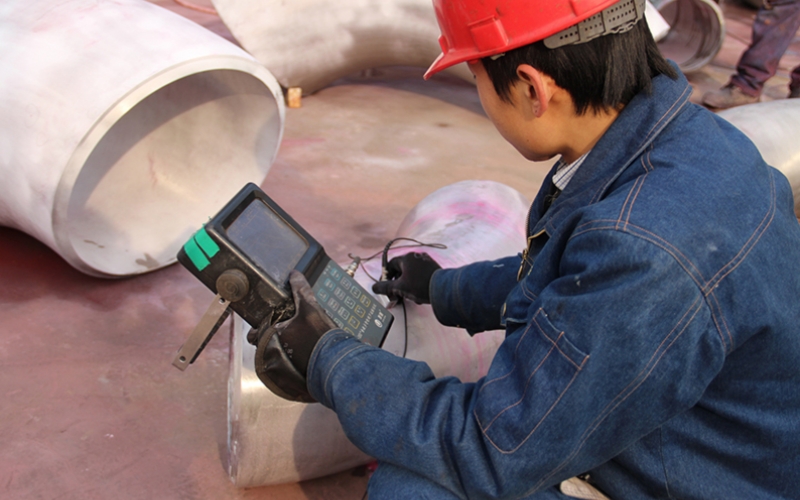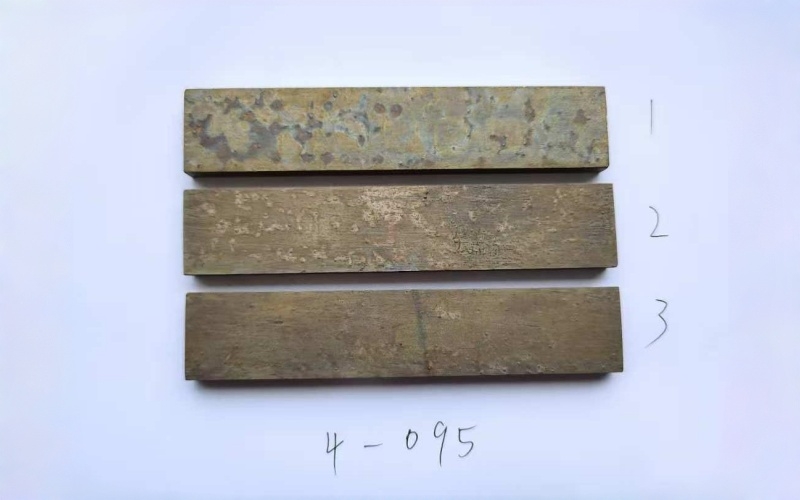
In extreme hydrogen environments, such as petrochemical hydrocracking units, high-pressure hydrogen energy systems, and deepwater oil & gas fields, piping networks operate under continuous high temperature, high pressure, and highly penetrative hydrogen gas. Under these severe conditions, austenitic stainless steels like 316L and nickel-based alloy fittings or backing rings must not only resist corrosion but also meet strictly tailored, ultra-low maximum hardness limits (e.g., a customer requirement of ≤130 HBW for 316L backing rings).
The Risks of Excessive Hardness: Hydrogen Embrittlement and Leaks
Hydrogen molecules are extremely small and readily diffuse into the metal lattice under high-temperature and high-pressure conditions. If the hardness of conventional materials exceeds standard limits due to improper manufacturing control (e.g., reaching over 150 HBW), it indicates the presence of severe work hardening or high residual stresses. Under continuous hydrogen penetration, these high-stress zones act as "traps" for hydrogen accumulation, significantly accelerating Hydrogen Embrittlement (HE) and Stress Corrosion Cracking (SCC), which can lead to sudden, catastrophic brittle failure.
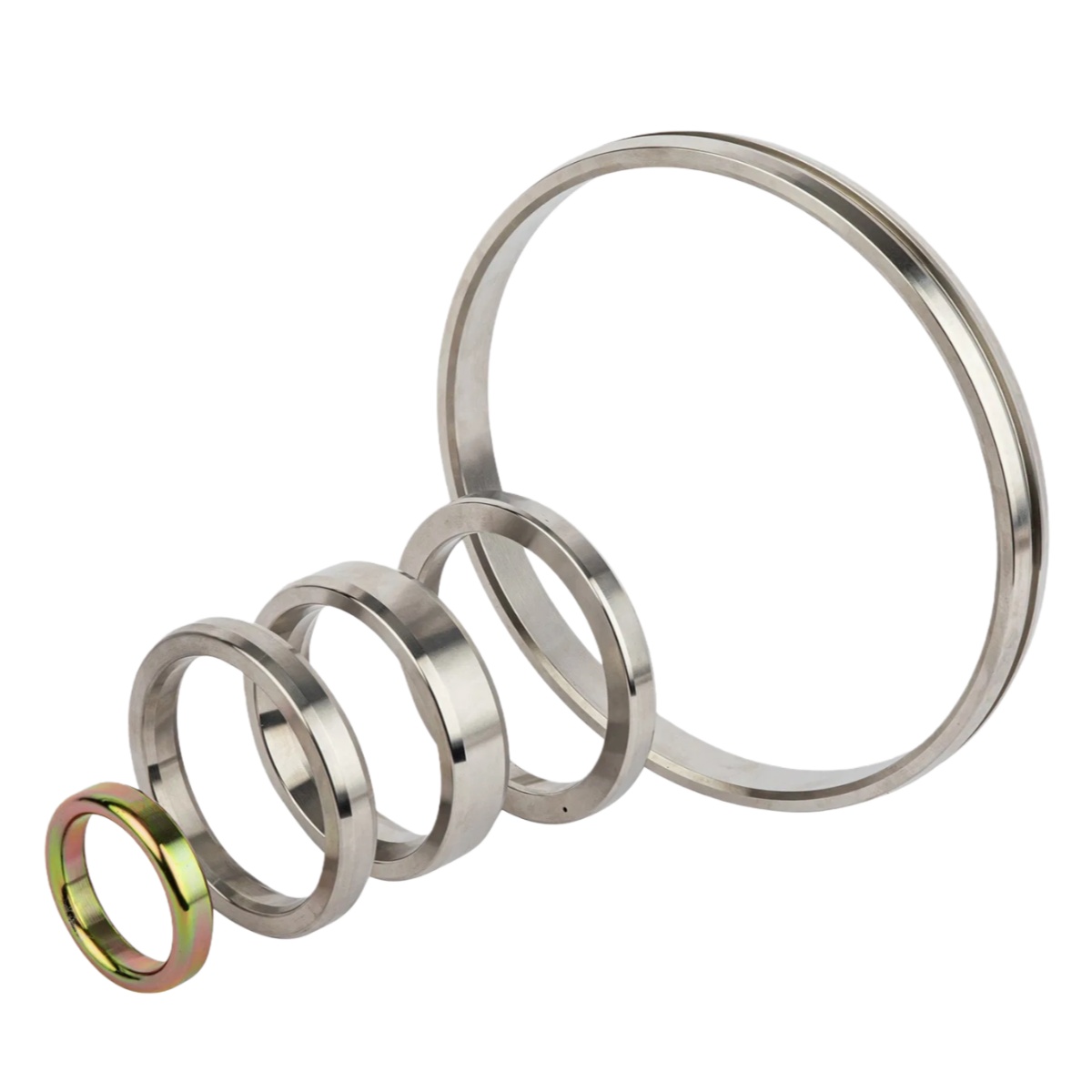
Furthermore, if a backing ring—the core element for sealing—is too hard, it cannot achieve the necessary plastic deformation during flange bolting to fill the microscopic imperfections on the flange face. Against highly penetrative hydrogen gas, this failure to deform inevitably leads to micro-leakage, severely jeopardizing the operational safety of the entire facility.
Our Solution: End-to-End Precise Process Control
To solve this industry pain point and consistently deliver the "ultra-low hardness and superior corrosion resistance" requested by clients, our factory has leveraged deep technical expertise to implement digitalized, precise control over our heat treatment processes:
High-Temperature Solution Annealing: We heat materials precisely to the 1050°C–1150°C range to ensure complete lattice reorganization and total carbide dissolution, fundamentally guaranteeing maximum material ductility.
Strict Soaking & Holding Time: By precisely regulating holding times, we eliminate the temperature gradient between the core and the surface, thoroughly removing all residual stresses from machining and forging.
Rapid Water Quenching: By precisely regulating solution temperatures and cooling rates, we optimize grain size, successfully locking the final product hardness exactly within the customer’s specified ideal range.
Through this meticulous, end-to-end process control, our fittings and backing rings flawlessly balance superior corrosion resistance with strict low-hardness standards, proudly delivering high-quality product support and robust safety guarantees for critical projects of major global clients, including CNOOC and Shell.